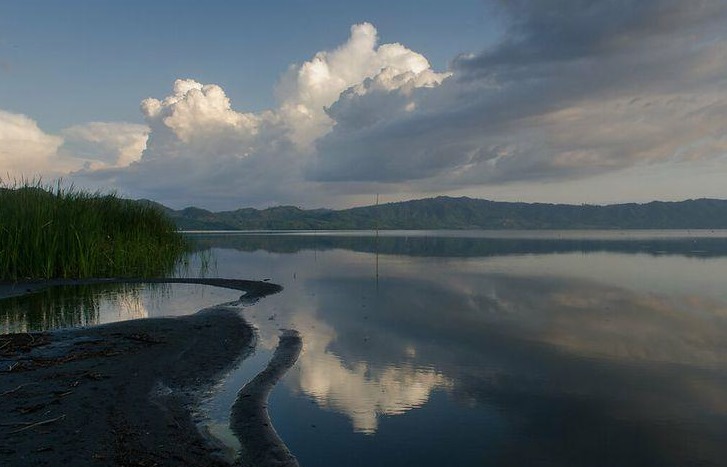
In the Ashanti region of Ghana, is the country’s only natural lake. Formed over a million years ago by a meteorite impact, it is approximately 49 square kilometers in size and reaches depths of about 73 meters. The lake holds deep spiritual significance for the Ashanti people, who believe it is a resting place for the souls of the dead.
According to legend, the lake was discovered by a hunter who, while pursuing an antelope, followed it into the water and realized that the animal had disappeared. The hunter believed this was a divine revelation, and the lake was named Bosumtwi, meaning “Antelope god.”
The Ashanti people consider the lake sacred and have maintained strict traditional practices to honor its spirits. One of the most significant customs is the prohibition of iron tools for fishing. Instead, fishermen use padua, small wooden planks similar to surfboards, to navigate the water. This practice is based on the belief that using modern fishing equipment would anger the spirits residing in the lake.
The lake is surrounded by about 30 villages, and its spiritual importance is reflected in various rituals and ceremonies performed by the local communities. Many believe that the souls of the departed travel to Bosumtwi to say farewell to the god Twi before moving on to the afterlife. Annual ceremonies are held to honor the lake, with traditional priests offering sacrifices and prayers for protection and prosperity.
In addition to its spiritual role, the lake is vital to the local economy, providing fish and supporting agriculture in the surrounding villages. However, concerns about environmental degradation and climate change threaten its future, leading to conservation efforts aimed at preserving both the lake and its cultural significance.
Today, Lake Bosumtwi remains a place of mystery and reverence, a symbol of the enduring relationship between nature and spirituality in Ashanti culture.
GLOSSARY:
● Ashanti – A major ethnic group in Ghana, known for their rich cultural heritage, including traditional beliefs, ceremonies, and craftsmanship.
● Bosumtwi – Meaning “Antelope god” in the Ashanti language, the name given to the lake based on a local legend of a hunter and an antelope.
● Twi – A deity in Ashanti belief, associated with the lake, where souls are said to visit before moving to the afterlife.
● Padua – Small wooden planks used by fishermen on Lake Bosumtwi instead of boats, due to traditional prohibitions against using iron tools in the lake.