History, culture, and resistance are all interwoven into the richness of African women’s fashion. Before colonialism, African women dressed in ways that were representative of their culture, environment, and social standing. Clothing was more than just fabric, it served as a language, a means of self-expression, and an identification marker. African women’s fashion has evolved, shaped by trade, colonization, and modern influences, yet it still retains elements of the past.
Clothing in pre-colonial Africa was often linked to social class, cultural standards, and the climate. Women wore elaborately woven fabrics like Aso-Oke and Kente, which they beautifully wrapped around their body, in various West African societies. Both local traditions and trans-Saharan trade had an impact on the long, flowing gowns worn by women in North Africa, such as the Djellaba and Malafa. Bright red shukas and intricate beading, which represented marital status and communal links, were worn by East African Maasai women. Indigo-dyed veils, which stain the skin and symbolize riches, were worn by Tuareg women in the Sahel.
Women dominated the textile industry, spinning cotton, dying textiles, and creating elaborate designs. Hausa women’s traditional clothing was mostly dependent on the centuries-old, well-known indigo dye pools near Kano, Nigeria. Bogolanfini, or mud
cloth, had spiritually protecting connotations and was stained with fermented mud in Mali. Fabrics were more than just materials; they were part of a woman’s heritage, passed down through generations.
African fashion was severely disrupted during the colonial era. African societies were forced to adopt European fashions that were deemed “modern” and “civilized.” As foreign fabrics flooded the markets, many domestic textiles and production techniques became less popular. In missionary institutions and formal businesses, African women were expected to wear Western-style blouses, corsets, and dresses. But instead of giving up tradition entirely, women managed to combine the two worlds. One example of this fusion is the wrapper (iro) and blouse combo, which is common among Nigerian women as well as pairing traditional wrap skirts with blouses of Western influences.
A revival of interest in African identity was spurred by independence movements in the middle of the 20th century, and fashion emerged as a potent means of self-expression. Women adopted traditional textiles in modern cuts, expressing their cultural pride through their attire. As a sign of defiance against colonial rule, political figures and activists such as Winnie Mandela of South Africa and Funmilayo Ransome-Kuti of Nigeria wore African textiles. The popularity of kaftans, tailored boubous, and dresses that blended traditional and contemporary cuts also increased during this era.
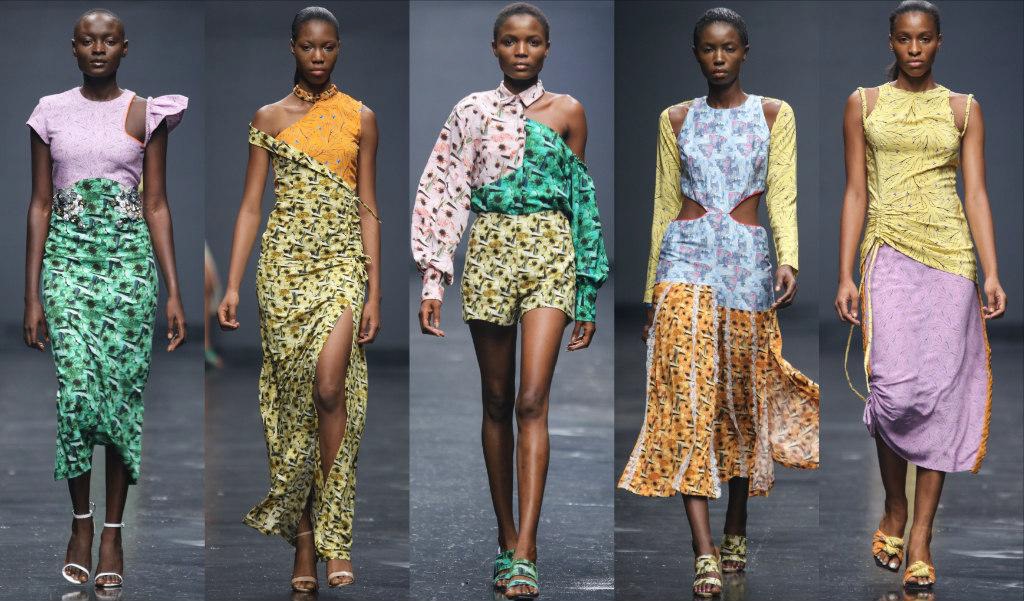
African women’s dress today combines elements of the past, present, and local cultures. Once thought to be appropriate for daily wear, ankara designs are now a high fashion statement on international runways. Modern designers are preserving traditional beadwork, embroidery, and weaving techniques, while designers such as Lisa Folawiyo and Loza Maléombho have reinterpreted African prints in modern designs.
African women’s attire continues to defy conventions beyond aesthetics. Traditional robes, such as the Senegalese grand boubou, have made a comeback in the modest fashion movement, and feminists are reclaiming indigenous styles as symbols of empowerment.
With influencers and fashion houses showcasing the depth of the continent’s cultural legacy, social media platforms have further introduced African fashion to audiences around the world.
African women’s attire continues to be a symbol of individuality, adaptability, and tenacity in the face of centuries of change. African women continue to influence fashion trends while honoring their heritage. After all, fashion is more than just what is worn; it is a narrative that African women proudly continue to tell via fabric and thread.