Umoja is a village in the Samburu County of Kenya. Umoja means “unity” in Swahili, and is a women-only community founded in 1990 by Rebecca Lolosoli and a group of 15 women. These women were survivors of domestic violence, rape, and forced marriages, and as such created the village as a haven from patriarchal traditions.
Umoja has challenged centuries-old norms and proven that women can build an independent and self-sustaining society.
The women of Umoja belong to the Samburu ethnic group, a tribe closely related to the Maasai. The Samburu culture is however deeply patriarchal with practices such as female genital mutilation, child marriage, and polygamy. Umoja rejects these oppressive traditions, and instead make their own rules. They raise their children, manage their own resources, and make decisions collectively.
Rebecca Lolosoli, Umoja’s matriarch, is a soft-spoken yet fierce advocate for women’s rights. Her journey began when she was beaten by men in her village for speaking out against FGM and domestic abuse. She then left and founded Umoja with other survivors.
 Umoja has grown beyond a refuge to become a symbol of defiance. The village inspires women in neighboring communities to question harmful traditions and demand change.
The Umoja women also host workshops and advocate against FGM, educating Samburu girls about their rights and encouraging them to pursue education. Their work has not gone unnoticed as human rights organizations have partnered with Umoja to amplify their message and provide resources for their efforts.
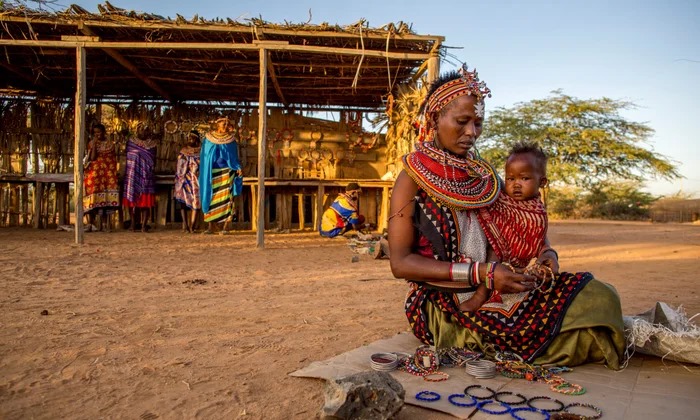
Life in Umoja is simple but fulfilling. The women wake at dawn to tend to livestock, fetch water, and prepare meals. They work in shifts at their beadwork stalls, welcoming visitors and sharing their stories. Children laugh and play freely, growing up in a world where they see women as leaders and providers.

Men are not entirely excluded from Umoja. Male relatives can visit during the day, but they are not allowed to live in the village. For the women, this boundary is a necessary protection from the violence and control they left behind.
For many women, especially feminists across the world, Umoja stands as a reminder of what is possible when women refuse to accept oppression as their destiny.