...

African History & Heritage

African History & Heritage, Women, Leadership & Community

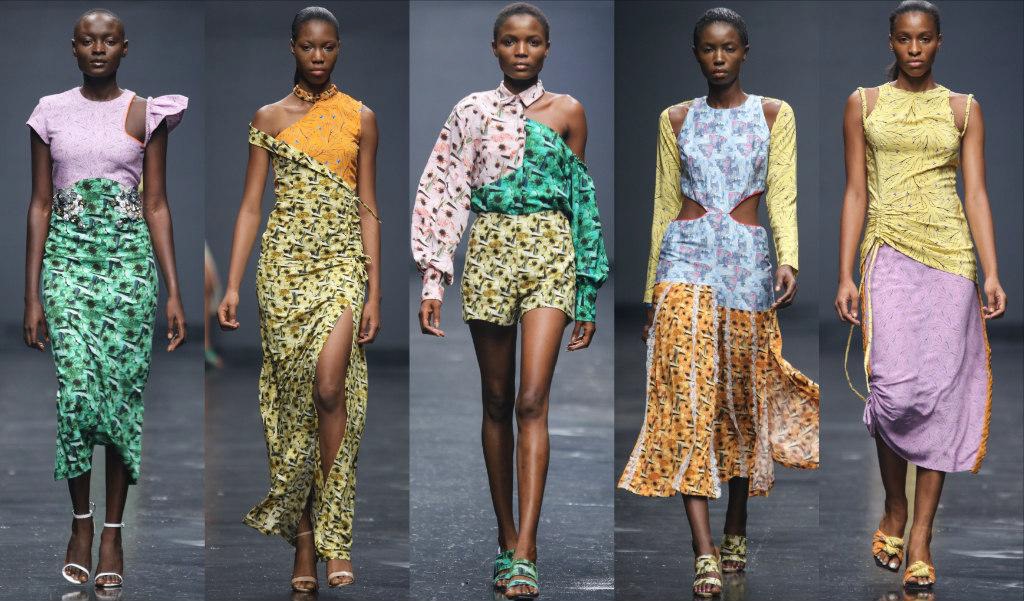
The Evolution of Women’s Fashion in Africa

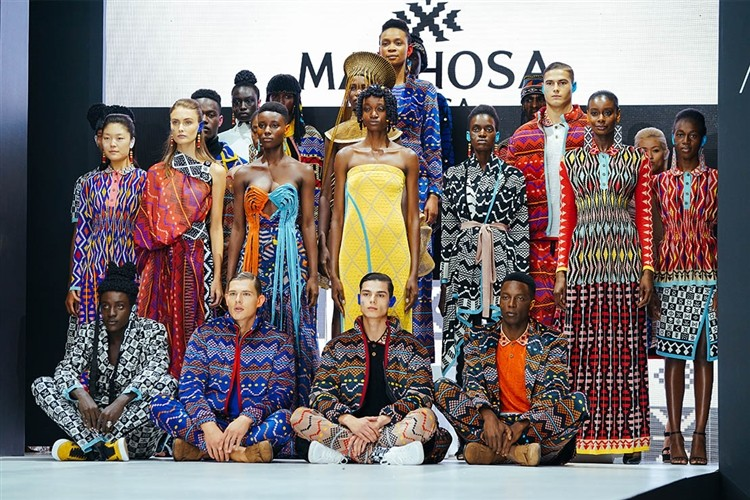
History, culture, and resistance are all interwoven into the richness of African women’s fashion. Before colonialism, African women dressed in ways that were representative of their culture, environment, and social standing. Clothing was more than just fabric, it served as a language, a means of self-expression, and an identification marker. African women’s fashion has evolved, shaped by trade, colonization, and modern influences, yet it still retains elements of the past.
African History & Heritage

Kola Nut in Igbo Land

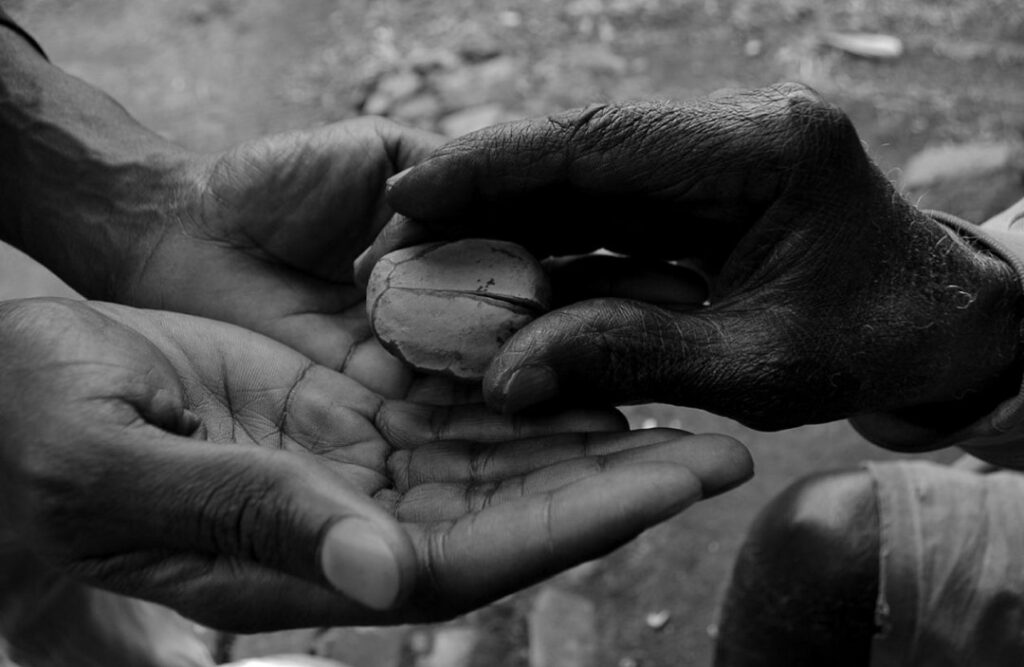
I watched my grandfather split open a kola nut with his bare hands, and for a moment, I thought it was magic. The nut cracked open effortlessly, revealing the pale lobes inside. He caught my curious stare and chuckled.

African History & Heritage

The Rainmakers Of The Balobedu

In the Limpopo province of South Africa, the Balobedu people hold a centuries-old belief in the power of rainmakers. At the center of their tradition is the Rain Queen, Modjadji, a mystical figure whose lineage dates back to the 16th century. Unlike most African monarchs, the Rain Queen does not rule through war or political alliances. Her power comes from the skies. She is believed to possess the ability to summon rain.

African History & Heritage

Scars And Marks

I looked at my grandmother’s face one evening and I must have stared for so long because she shouted “What?!” at me. But I was just intrigued at the marks that lined her face. And so I asked, “Did your parents not love you? Is that why they cut your face?” The room became silent. No one had ever asked her about the several black marks against her fair skin, or the blackness of her lower lip. She was the most marked person I knew, with long lines and swirls running down her arms and down her legs.

African History & Heritage

Reviving African Fashion

For centuries, the way Africans dressed was a reflection of their environment, beliefs, and status. Kings and scholars alike were adorned in woven fabrics of gold-threaded cotton, while skilled artisans dyed clothes in pits that were renowned across the Mediterranean. Fashion was never just about covering the body—it was a statement of identity, craftsmanship, and culture.

African History & Heritage

Osun-Osogbo Festival

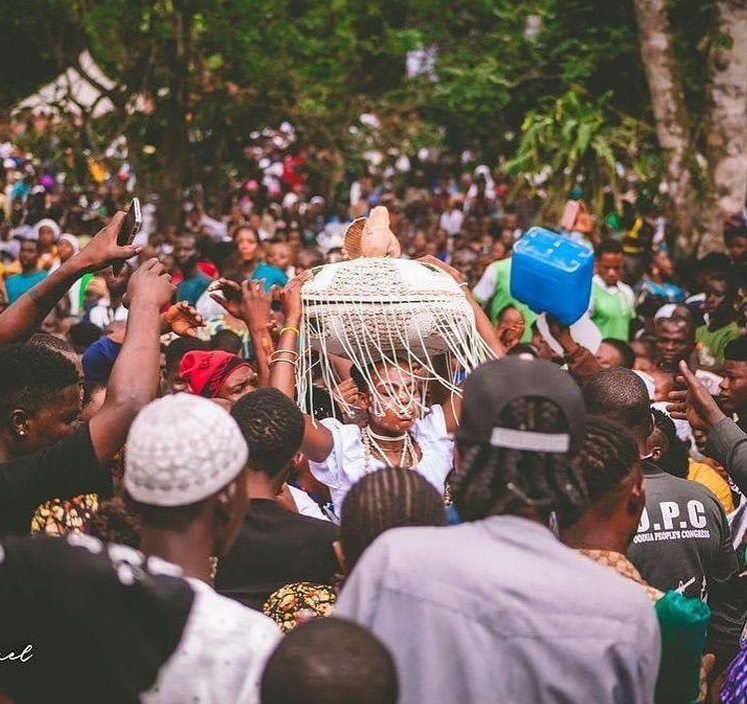
The first time I attended the Osun Festival, I was eight years old. I had traveled to Osogbo to spend the long holidays with my Aunty Adeola, who had a way of taking me on adventures, so she was my favorite family member to spend the holidays with. She told me one morning that we had an outing to attend.

African History & Heritage, Women, Leadership & Community

Funmilayo Ransome-Kuti

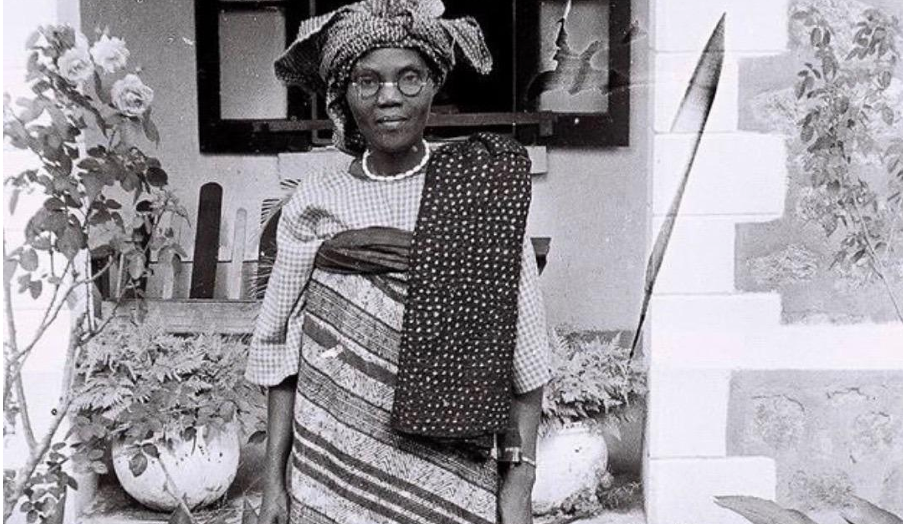
She was thrown off the balcony of Kalakuta. Her frail seventy-seven years old body hit the ground with a force that would ripple through history. The year was 1977, and the Nigerian military had invaded Kalakuta, the communal compound owned by her son, Fela Kuti. They were looking to silence dissent. But in that act of violence, they only amplified the story of a woman who had spent her entire life resisting oppression. Her name was Funmilayo Ransome-Kuti.

Scroll to Top
Seraphinite AcceleratorOptimized by Seraphinite Accelerator
Turns on site high speed to be attractive for people and search engines.