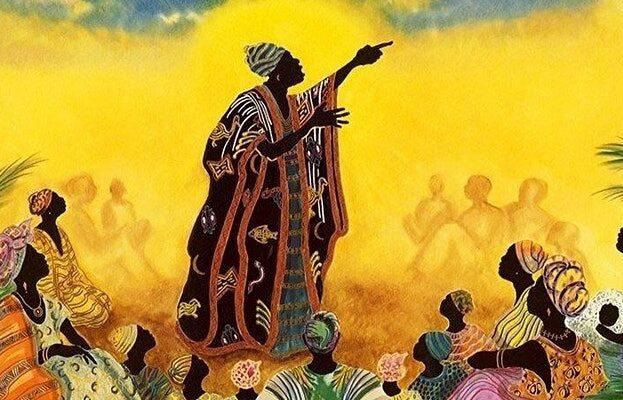
African culture has traditionally revolved around storytelling. History, wisdom, and customs were passed down orally through myths, proverbs, and folktales long before books and written documents were created. It was the responsibility of women in many African communities to preserve and pass on these stories.
Whether through lullabies sung to children, tales by moonlight, or poetic chants during ceremonies, women ensured that cultural knowledge endured across generations. Their voices are still essential to the African identity today.
The griot tradition was especially prevalent in West Africa, where these women kept genealogy, sung praises, and gave kings advice through oral recitations.
Contrary to their male counterparts, griots frequently emphasized themes of motherhood, love, and community strength while incorporating a strong emotional and spiritual connection into their stories.
In many cultures, storytelling was a communal activity, often taking place in the evenings after the day’s work was done. Women would gather children around the fire and tell stories about trickster figures like Anansi in Akan folklore or tales about Ijapa the tortoise. These tales taught valuable lessons about justice, tenacity, and resourcefulness; they were not merely for entertainment. This oral education also included proverbs and riddles, which subtly taught kids how to deal with the challenges of life.
Women also told stories through songs. South Africa’s Zulu women wrote izibongo, or praise poetry, to honor warriors or significant individuals. In Ethiopia, ladies frequently sing Tizita songs during rituals, which tell poignant, sentimental tales of love and longing. In addition to conserving history, these oral performances served to build social ties and validate cultural identity.
With time, storytelling evolved beyond the oral tradition into literature, film, and digital media. Throughout this shift, African women have been crucial in preserving traditional narratives in new ways. Similar to how Ousmane Sembène highlighted African women’s resistance in Moolaadé, filmmakers such as Wanuri Kahiu and Fatoumata Coulibaly have included folktales and cultural themes into their works.
The role of storytellers in African communities is examined in documentaries like In the Footsteps of Griots, which demonstrate how the custom endures to this day.
African women still use storytelling as a means of advocacy and resistance in modern times. Oral traditions have been expanded upon and transformed into powerful literary works by authors such as Ama Ata Aidoo and Chimamanda Ngozi Adichie. Women now narrate African myths and legends on social media sites like YouTube and TikTok, helping to revive traditional folktales.
The role of women is inextricably linked to African storytelling. Women have been the messengers of history, morals, and identity, whether through folktales, proverbs, or contemporary literature. The future is still being shaped by their voices, which have influenced the past. Recognizing and celebrating their contributions ensures that these rich traditions are not lost but evolve with time.
As storytelling continues to change, one thing remains constant: the wisdom, resilience, and creativity of African women who keep the stories alive.