
The Art of Showing Up: How African Women Keep Creating In The Middle of Real Life
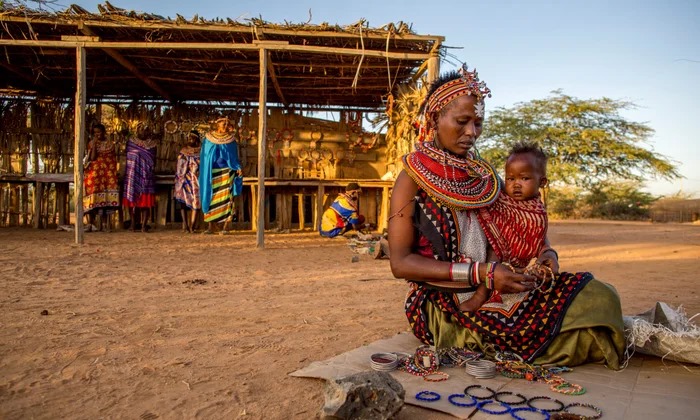
Creativity does not always look like a studio or months of free time. Most of the time, it looks like real life. It looks like a writer typing notes on her phone between meetings. A designer sketching in traffic. A founder jotting ideas down after everyone has gone to bed. For many African women, life is full and noisy. Work, family, community, faith, expectations. Yet beneath all of that, there is still a quiet need to make, to express, to build something that feels like theirs. Photo by Annie Spratt on Unsplash The question is rarely, “Do I have creativity?” It is usually, “Where can I put it, with the little time I have?” So creativity begins to live in small pockets. Ten minutes in the morning before the house wakes up. A voice note recorded on a walk. A sentence written while waiting in a reception. These do not look grand from the outside, but they are honest. They are proof that even in a demanding season, she has not abandoned herself. Photo by Ben Iwara on Unsplash There is pressure to believe that creativity only counts when it is big and public. A finished book. A launched brand. A full collection. But a lot of beautiful work starts as scraps. Half-formed ideas. Short notes. Quick sketches. They may never all become projects, and that is fine. What matters is that she keeps showing up to that part of herself. For African women, this often means creating beside responsibility. Being reliable, but also imaginative. Being present for others, while not disappearing inside their needs. It is not easy. But every time she chooses to write, paint, design, sing, think or plan, even for a short while, she is practising something important. She is reminding herself that her ideas are not extra. Her voice is not a spare part. Her creativity deserves room, even here, even now.