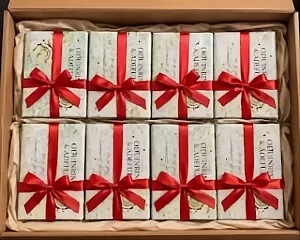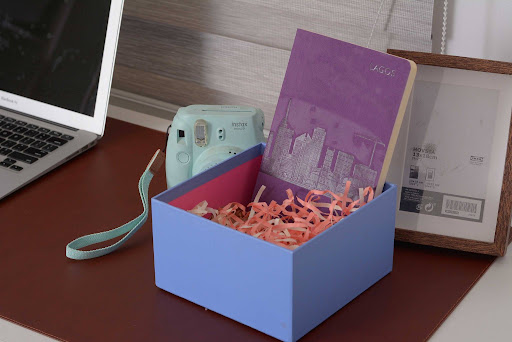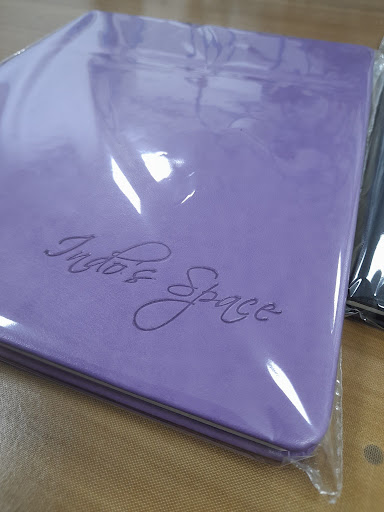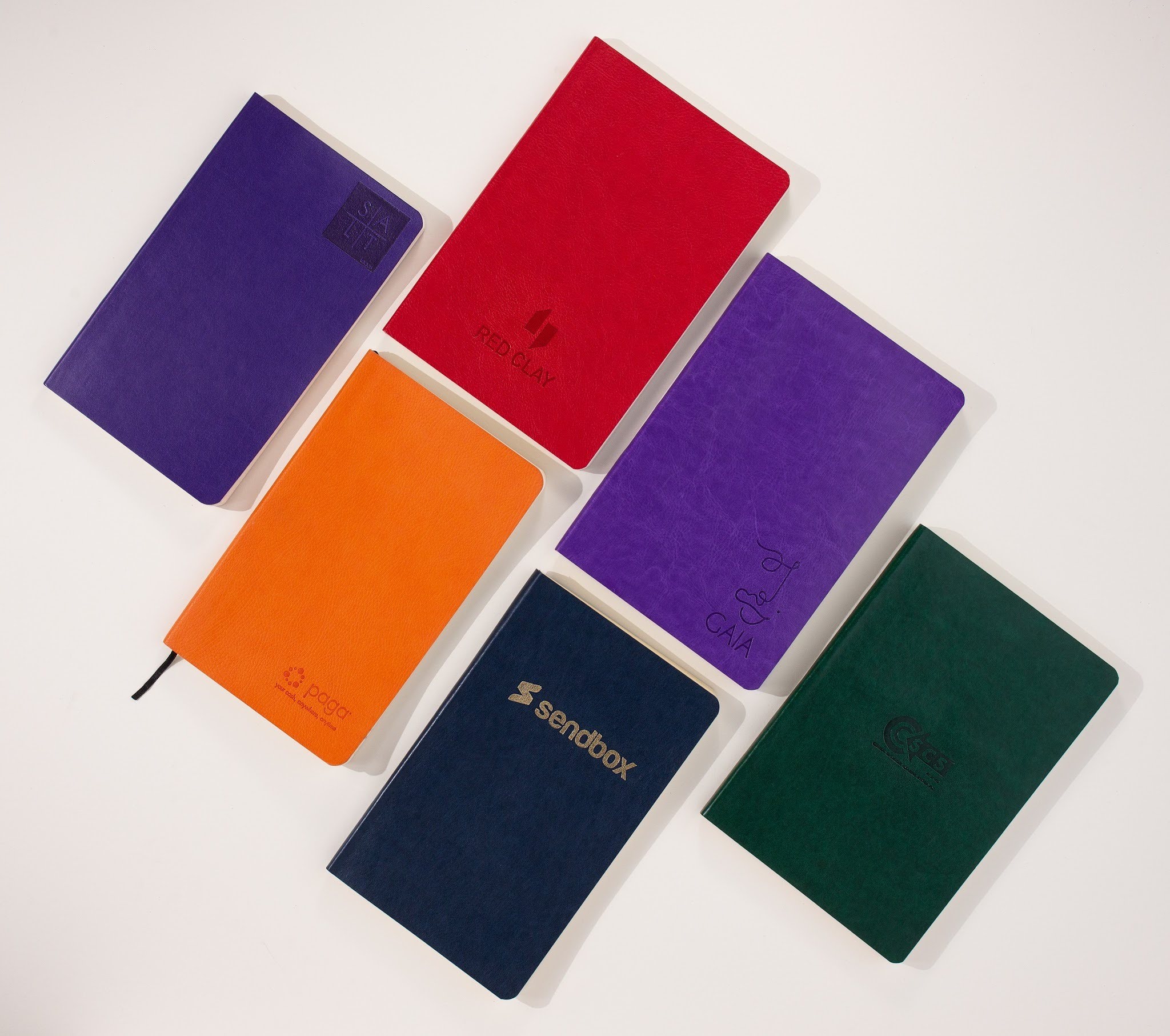
There’s a common pattern with corporate gifts and event souvenirs in Nigeria: they’re given out with good intentions… and forgotten just as quickly.
A notebook that never gets opened.
A souvenir that gets tucked away and never used.
Not because people don’t appreciate the gesture, but because the item itself lacks meaning, quality, or intention.
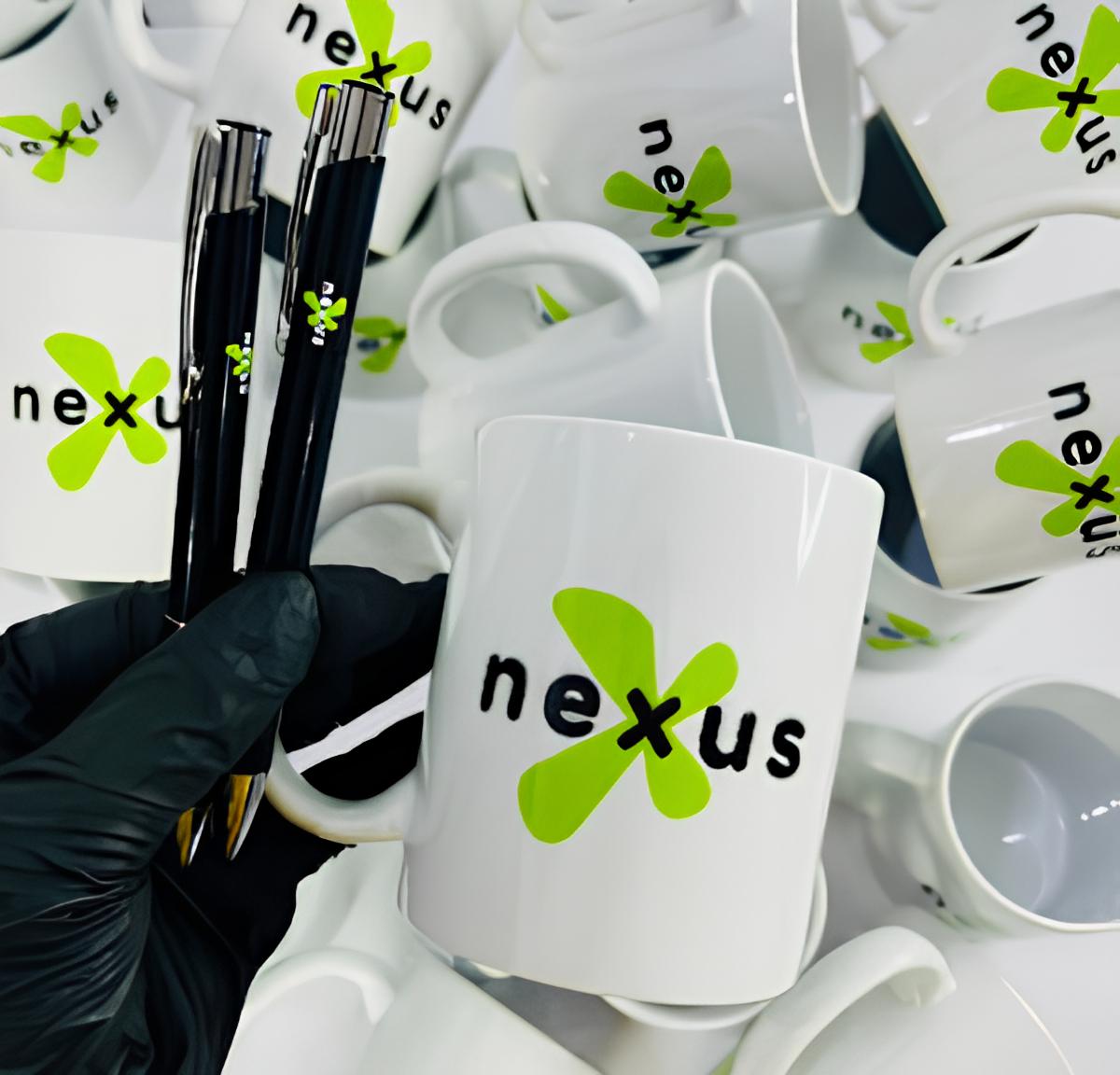
Ordering custom stationery in Nigeria shouldn’t feel like a gamble between poor quality, missed deadlines, or generic designs. Done right, it becomes something people don’t just receive, but actually keep.
The Problem with Most Custom Stationery
If you’ve ever tried to order branded or personalised journals locally, some of these might sound familiar:
- Inconsistent print and material quality
- Vendors missing deadlines, especially close to events
- Limited customisation (often just logo embossing)
- Over-reliance on imported, pre-made designs
- Poor communication and unclear pricing
Because of this, many people assume the only way to get quality is to import from abroad.
But that assumption is starting to shift.
What “Custom” Should Really Mean
Custom stationery is often misunderstood as simply adding a name or logo to a ready-made notebook.
In reality, true customisation goes much deeper:
- The cover can be fully designed, not just stamped
- The first page can carry a message, a letter, or a story
- The inner pages can reflect a purpose, reflection, planning, memory
- The overall experience can be tailored to the recipient
At its best, custom stationery isn’t just a product, it’s a thoughtful, lasting piece tied to a moment, a brand, or a memory.
Step-by-Step: How the Ordering Process Works
If you’re planning to order custom journals or stationery in Nigeria, here’s what the process typically looks like when done properly:
1. Choose the Type of Journal
Start with the foundation:
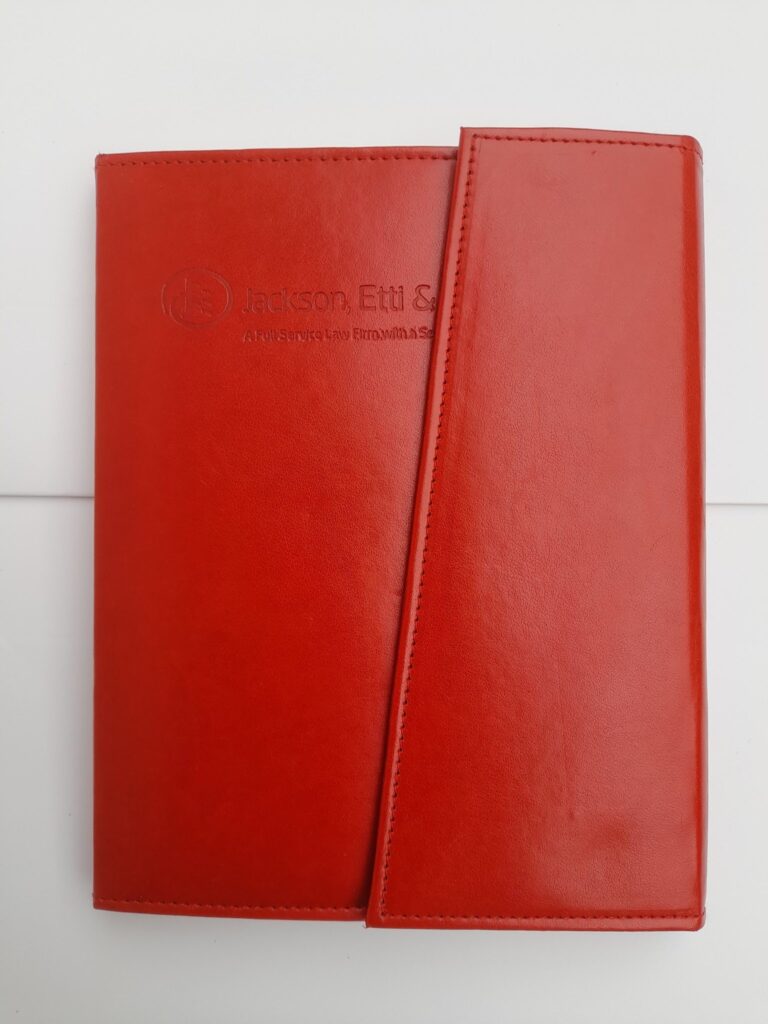
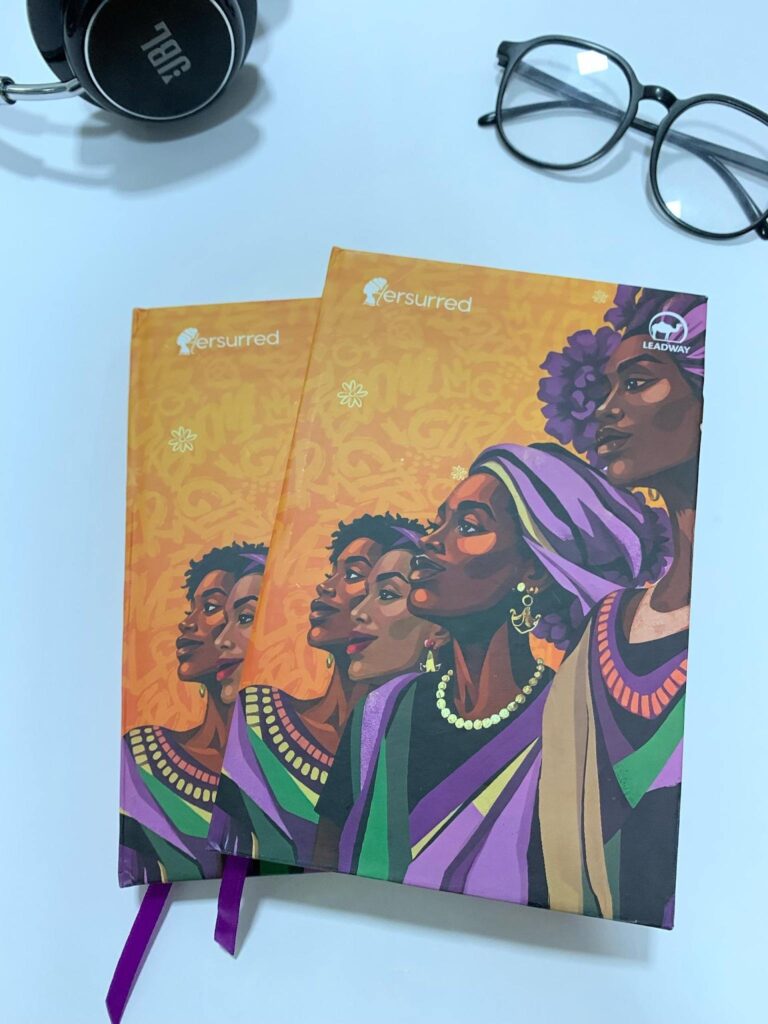
- Leather-bound (1st picture) or printed hardcover (2nd picture)
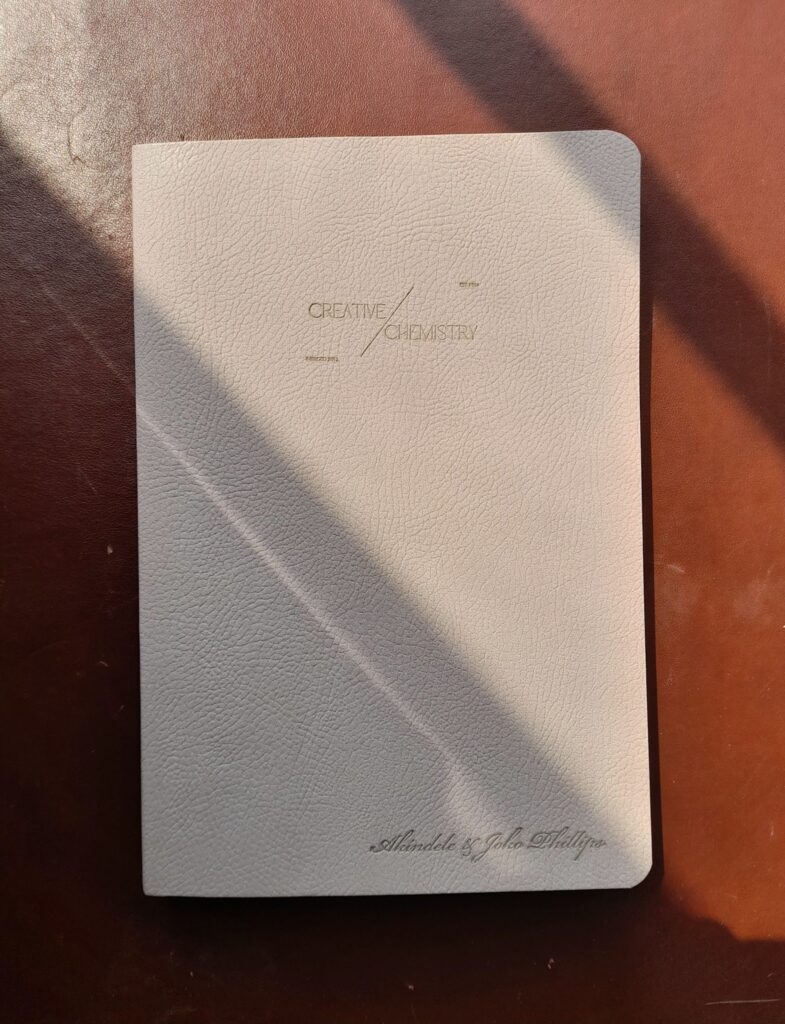
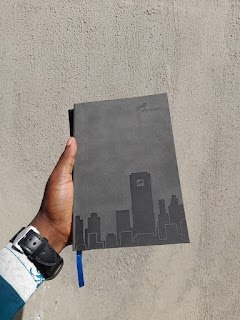
- Softcover (3rd) or hardcover (4th) (for leather options)
This decision is often guided by purpose, corporate use, gifting, or events.
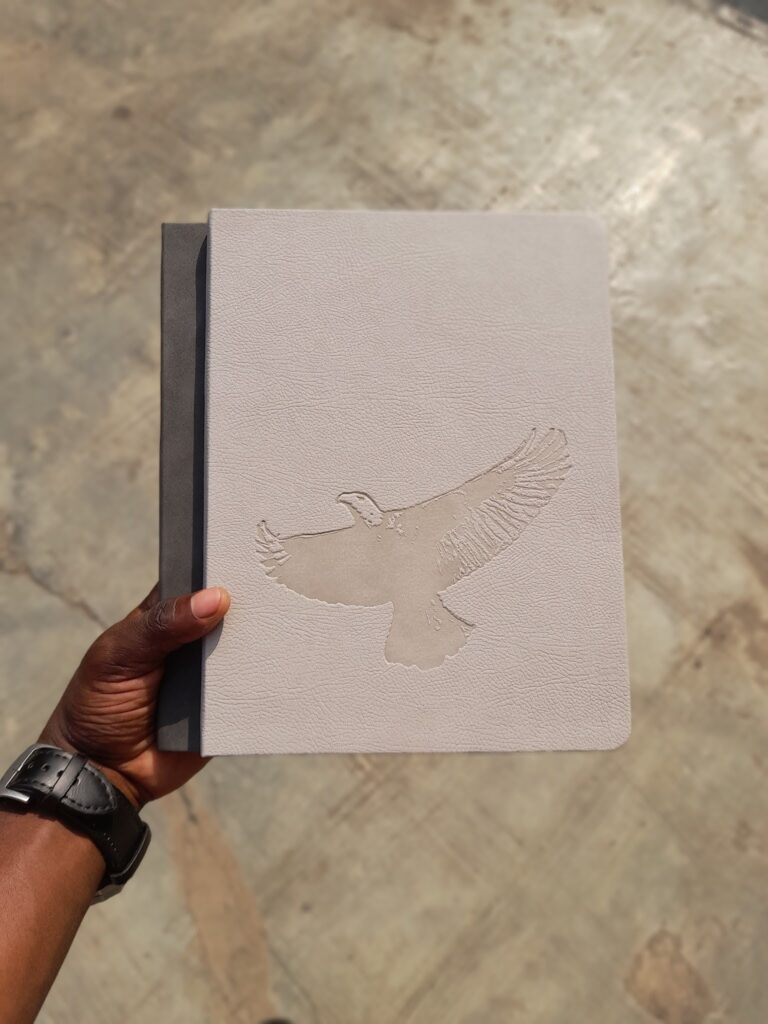
2. Select Size and Material
Common sizes include:
- A6 – Pocket-sized (1st picture)
- A5 – Standard (2nd)
- A4 – Larger format (3rd)
- A comparison between all sizes
If you’re choosing leather, you’ll also select the color and finish.
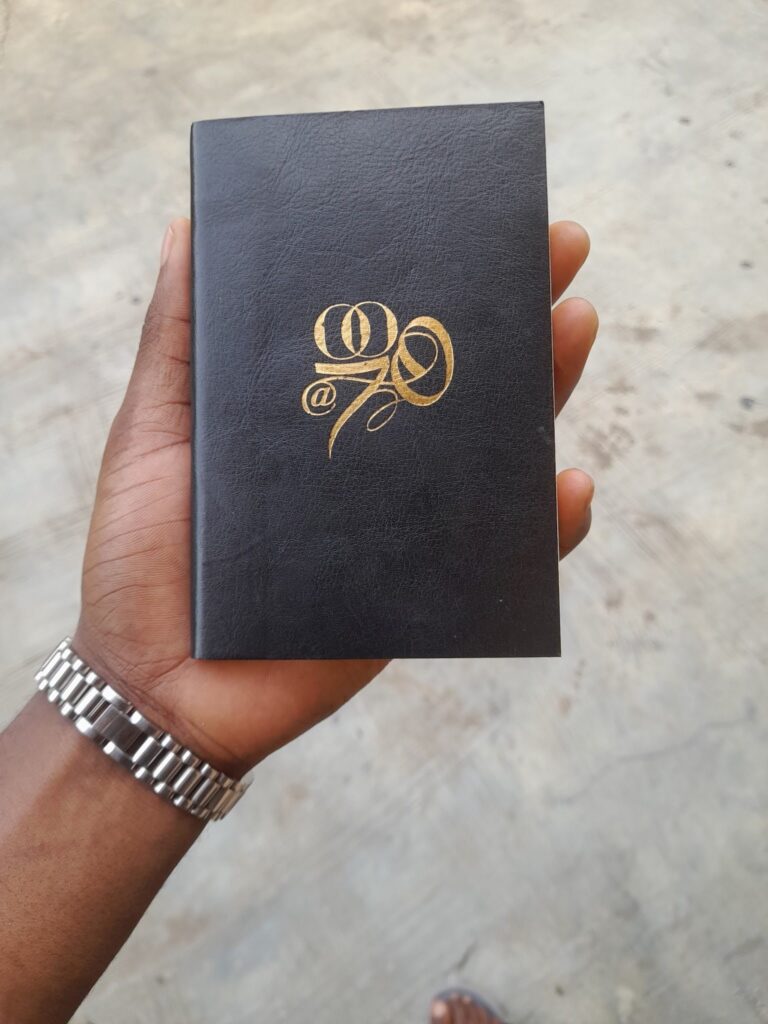
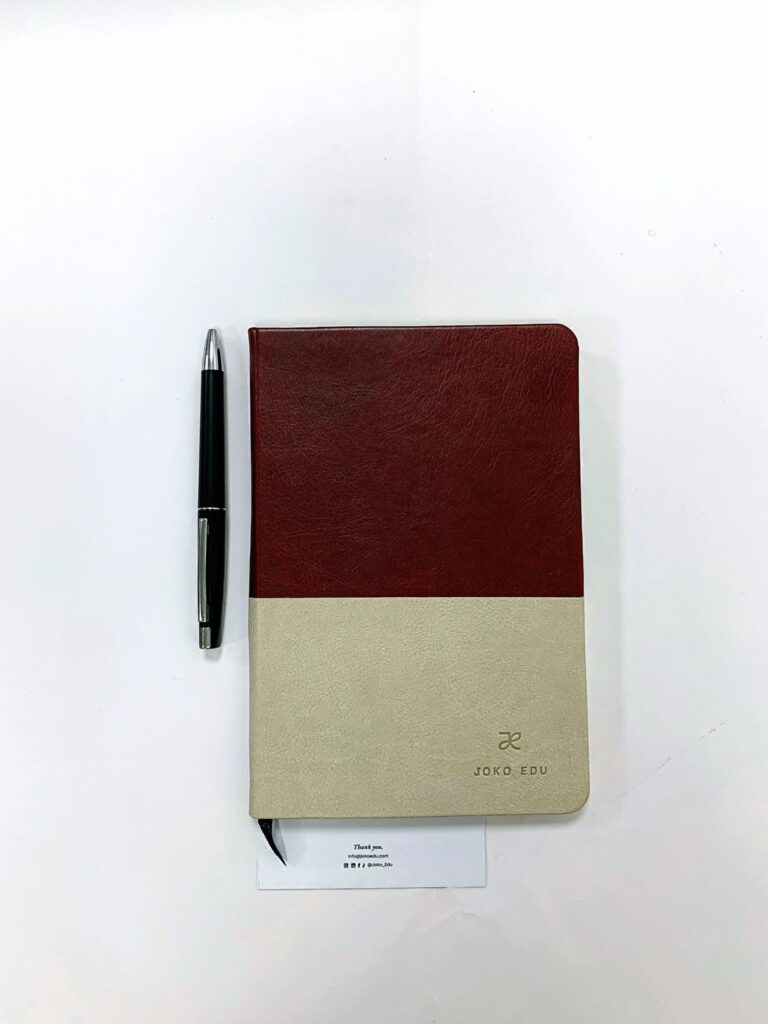
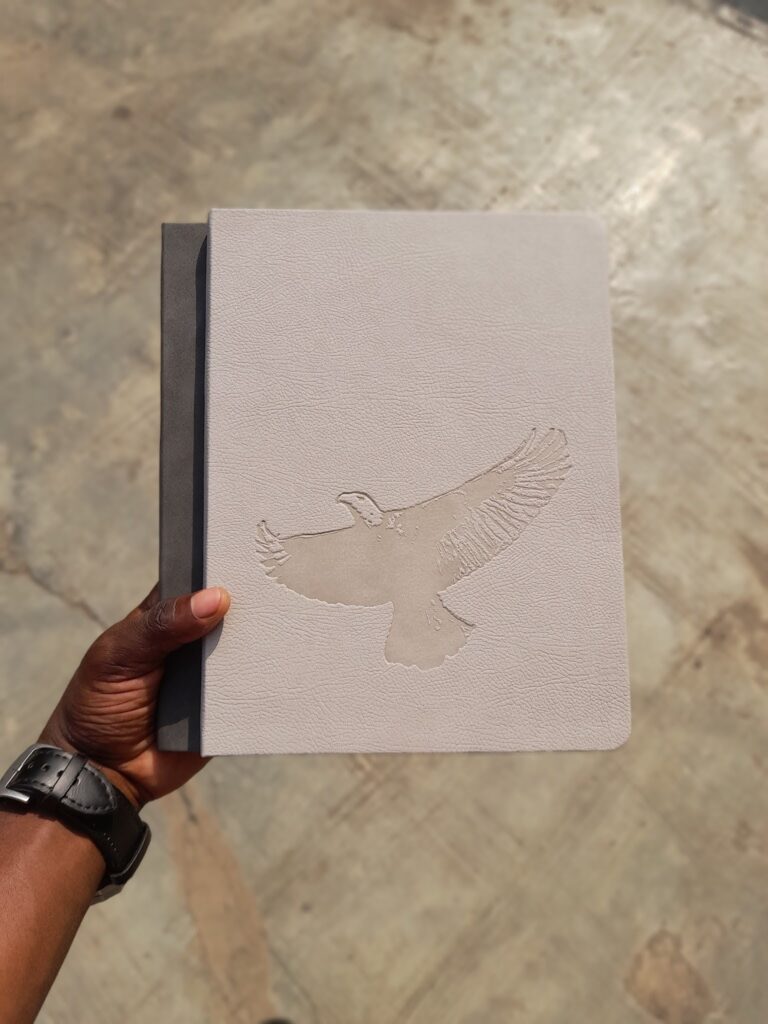
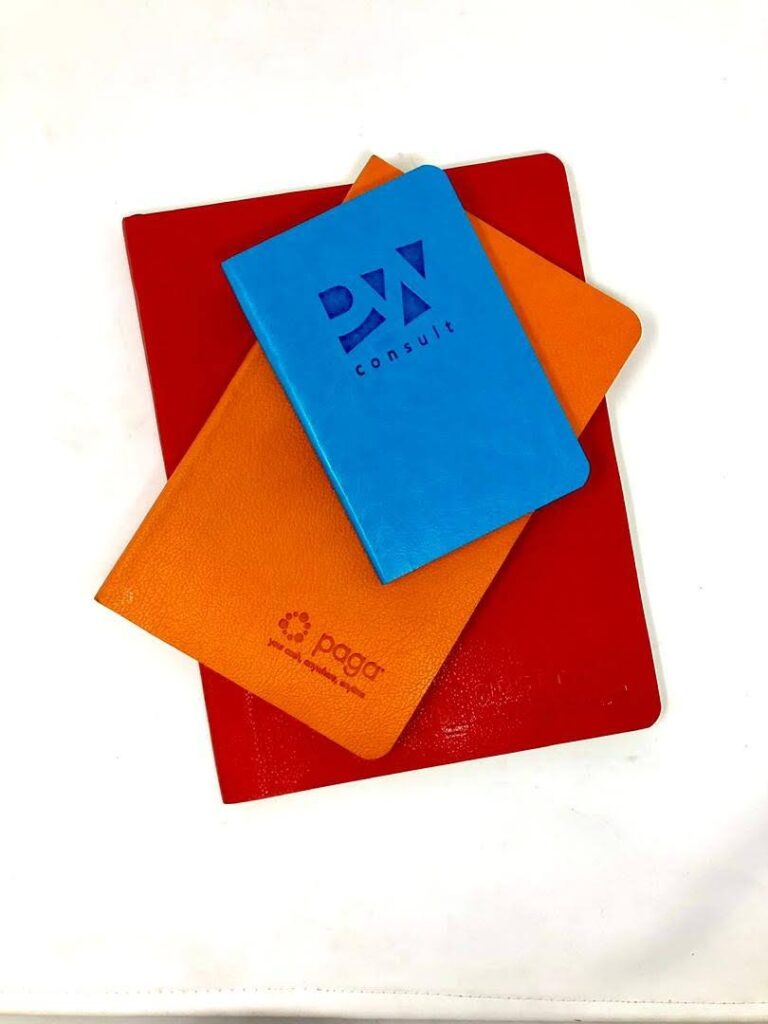
3. Customise the Exterior
This goes beyond placing a logo.
You can include:
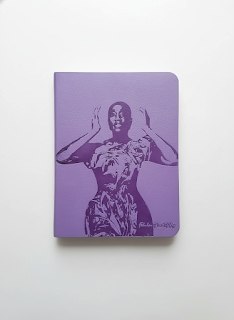
- Silhouette – Birthday best seller (1st picture)
- Names or initials (2nd)
- Brand elements (3rd)
- Expressions, quotes, or symbols (4th)
- Thoughtful placement that reflects the tone (formal, celebratory, personal) (5th)
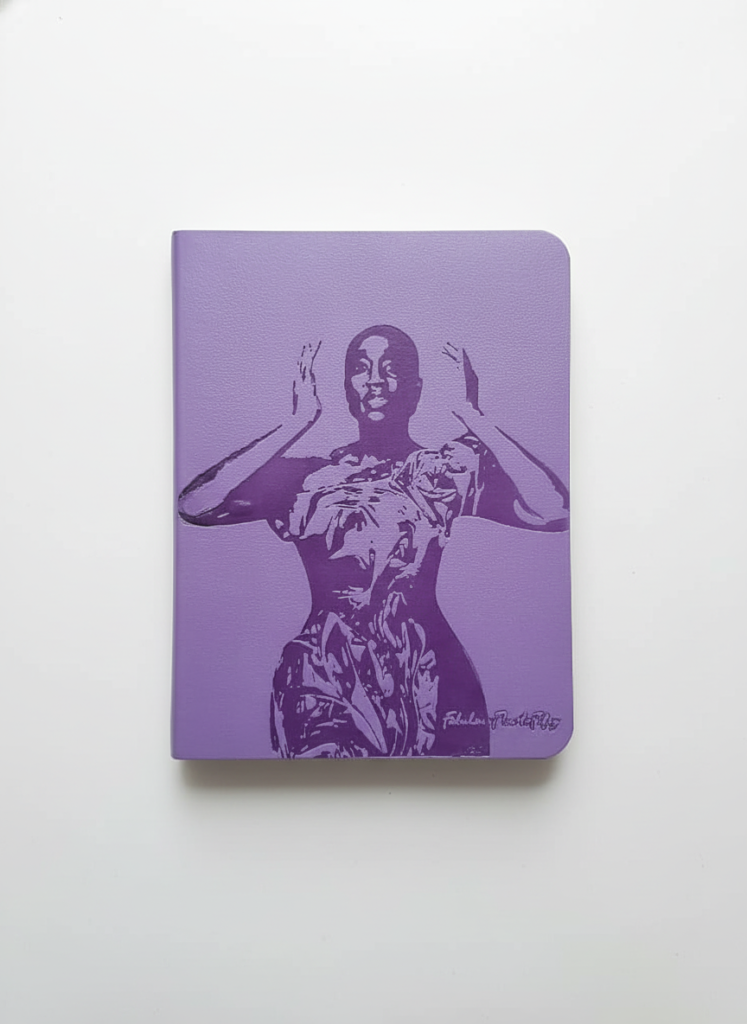
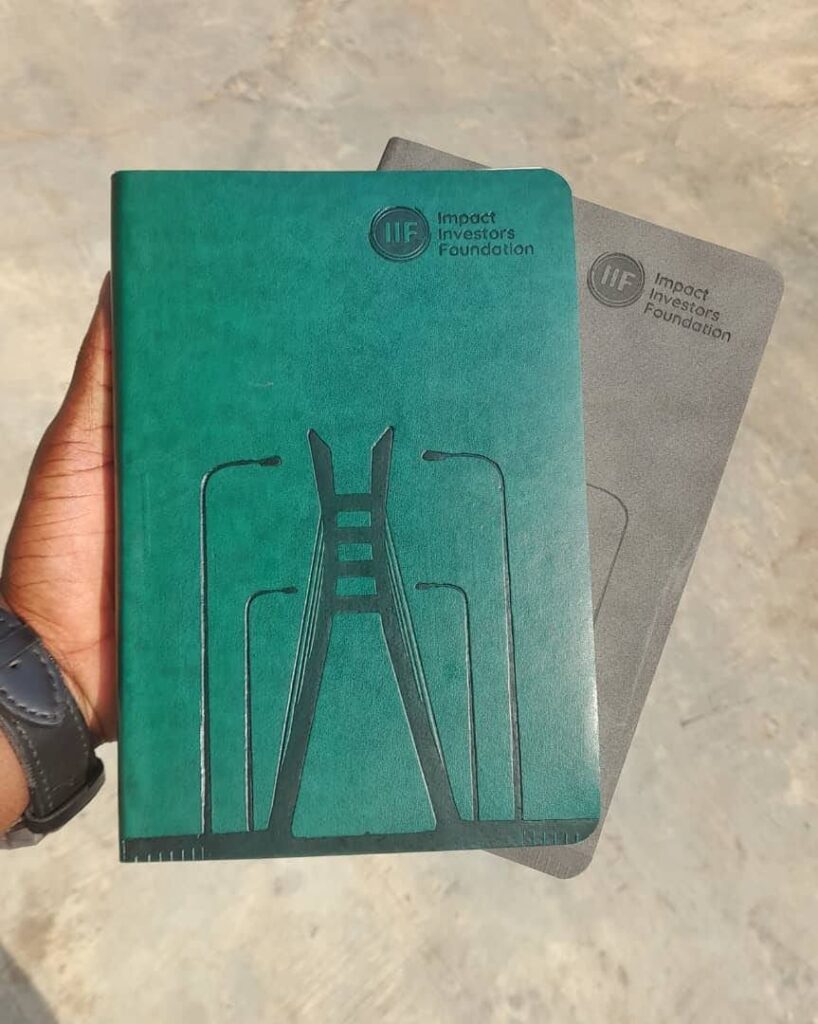
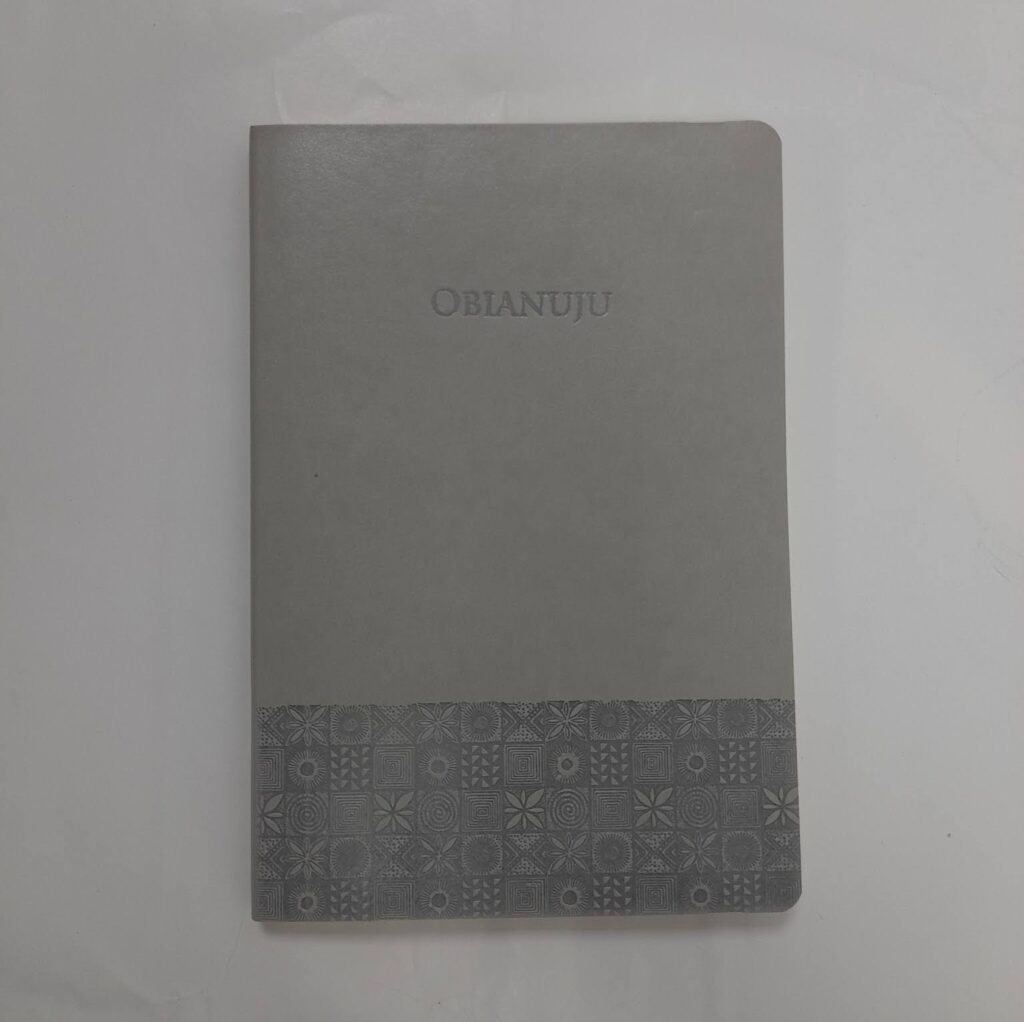
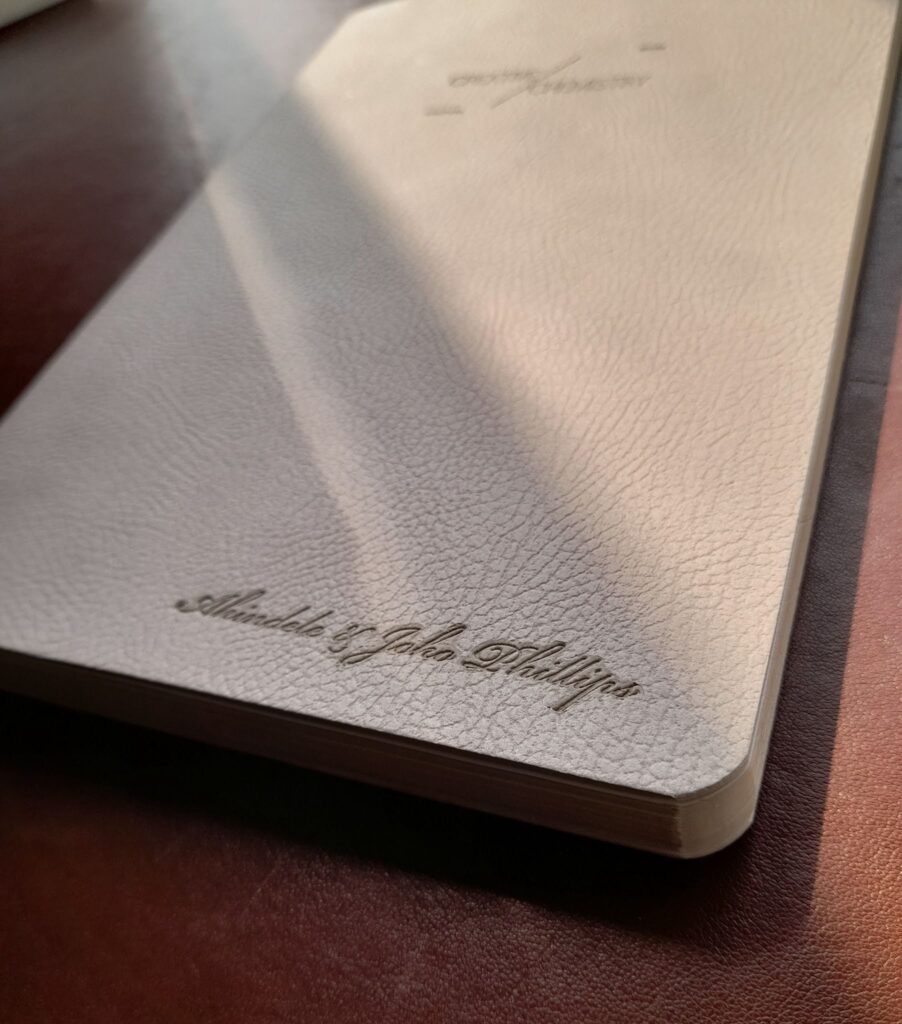
4. Customise the Interior
This is where most people underestimate the opportunity.
You can include:
- A welcome note or letter to recipients
- Branded pages for organisations
- Reflection prompts or guided sections
- Cultural or symbolic elements
This transforms the journal from a generic item into something personal and intentional.
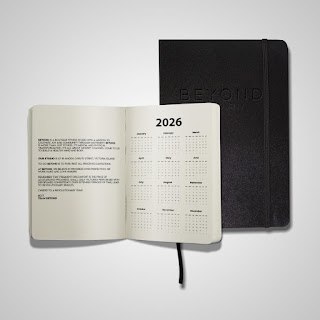
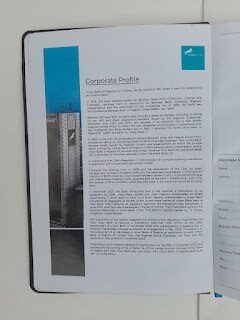
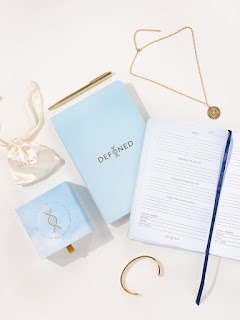
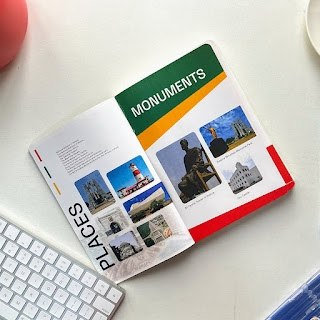
5. Add Functional Details
Small details improve usability:
- Elastic bands (1st picture)
- Ribbons (2nd)
- Inner pockets (3rd)
- Gilded pages i.e painted edges (4th)
- Branded envelopes (5th)
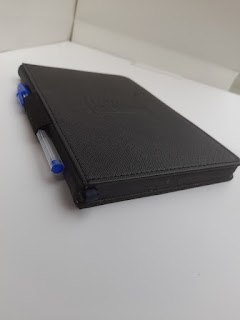
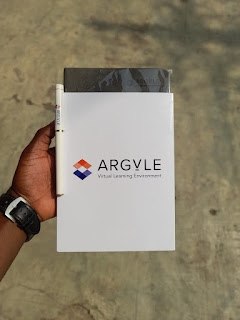
- Pen holder (6th)
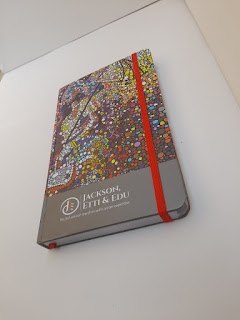
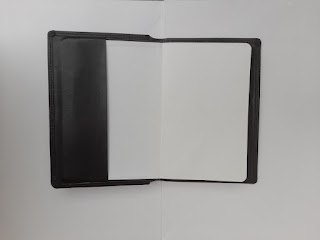

6. Refine the Design
If your ideas aren’t fully formed, this is where guidance becomes important.
A good process includes support to help shape your concept into something cohesive and meaningful, not just visually appealing.

7. Production Timeline
Timing matters.
- Orders below 50 units: typically, 0–2 weeks
- Bulk orders (50+ units): around 3 weeks
- Express options may be available, but usually at an added cost
8. Delivery
Once production is complete, delivery is arranged locally or internationally, depending on your needs.